Stillwater, MN · Garage Door Service
Homes in Stillwater built between 1950 and 1978 often have garage doors from before insulation standards existed. Here's what that means for your door today.
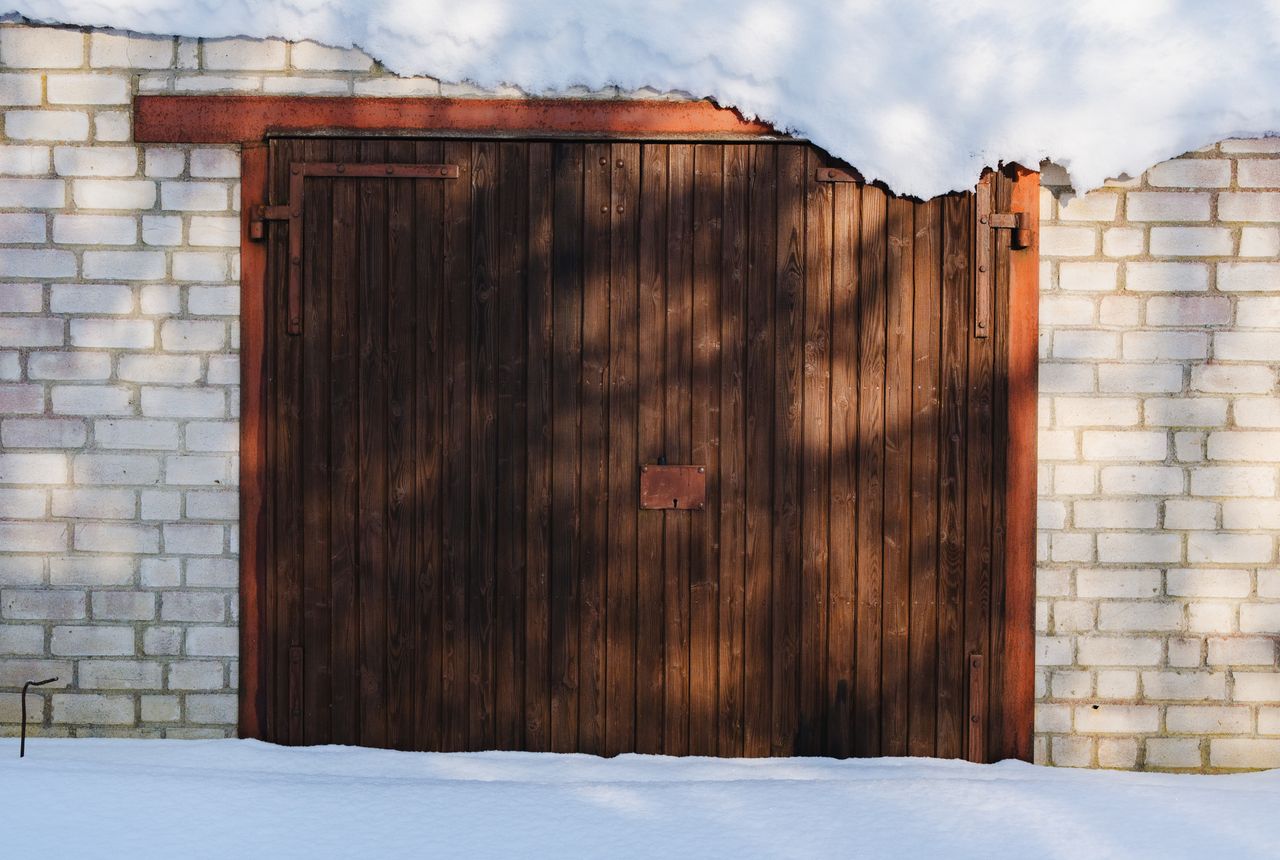
Most houses in Stillwater's service area went up between 1950 and 2002, with the typical build year sitting at 1978 - squarely before the energy codes that require insulated garage doors took hold in most jurisdictions. A door put in when a house was built, or replaced once in the decades since with a like-for-like model, is very often a single layer of steel or a slab of wood with no foam core at all. That's not a defect. It's just what a door looked like when your house went up.
Across the 24 communities in this part of the service area, the bulk of the housing stock dates to the 1960s and 70s, which means a huge share of the doors we look at share the same basic problem: they were built to keep weather out, not to hold heat in. Nobody was writing insulation specs into residential garage doors back then. The door did its job - opened, closed, kept the car dry - and that was the whole spec sheet.
The most common mistake is assuming that because a door still opens and closes smoothly, it's doing its job. A door can run quiet on good rollers and still be a single sheet of steel with nothing behind it, which in a garage that shares a wall with living space or a mudroom means that cold air just sits against that wall all winter.
The second mistake is treating an insulation kit as the fix. Foam board glued to the inside of an old panel can help a little, but it doesn't address the gaps around the perimeter, the thin weatherstripping at the bottom, or hardware that was sized for a lighter, uninsulated door and now has to work with something heavier. On a lot of these older Stillwater-area doors, the honest answer is that the door itself is the limiting factor, not the lack of a kit. We won't sell you foam board and call it solved if the door underneath it is the real problem.
Start with the panel material and thickness, not the opener. On houses from this build era, that usually means one of two things: a single-skin steel door with ribbing for rigidity, or a wood panel door, neither with a thermal core. Check the edges where the panel meets the frame - daylight or a cold draft along the sides and top is a sign the door was never meant to seal against outside air the way a modern insulated door does.
Next, look at the bottom seal. On a door from the 1960s or 70s, the astragal is often a thin, cracked strip that's shrunk with age rather than a full bulb seal. That gap at the floor line matters more than people think, especially paired with an uninsulated panel above it. Last, look at the hardware - springs and tracks on these older doors were sized for the lighter weight of an uninsulated panel, which matters if you're ever considering an upgrade rather than a repair.
Stillwater sits in a climate zone the federal data classifies as cold and severe, which means the freeze-thaw cycle here is harder on door hardware and seals than it would be in a milder region. Steel contracts in deep cold, gaps widen slightly, and a bottom seal that was already thin from age closes even less tightly right when you need it most.
With 32,692 owner-occupied houses across this area and a median household income of $108,560, a lot of homeowners here are in a position to replace an old uninsulated door rather than keep patching one - but that's a decision worth making with eyes open, not out of panic after one cold snap. An uninsulated door on a well-built house from this era isn't an emergency. It's a known trade-off from the year it was built, and it's fine to live with it until the door itself, not just the weather, tells you it's done.
Not necessarily. If your Stillwater house was built anywhere in the 1950-2002 range that's typical here, especially around the 1978 median, your original or like-for-like replacement door was likely built with no insulation at all, since that wasn't a standard requirement at the time.
It helps a little, but it doesn't fix gaps at the edges or a worn bottom seal, which matter as much as the panel itself. On an older uninsulated door, foam board is a partial patch, not a full fix - worth knowing before you spend money on it.
Yes. Stillwater's climate is classified as cold and severe, and that freeze-thaw cycle contracts steel and stiffens old weatherstripping faster than milder climates do, which shows up as wider gaps and drafts on doors that were already uninsulated to begin with.
That depends on the door's condition, not just its age. If the panel, seals, and hardware are otherwise sound, an uninsulated door from this era isn't a failure - it's just how doors were built then. Replace it when the door tells you it's done, not because of one cold week.
Call now or request a free quote - same-day service on most repairs, upfront written pricing.