Stillwater, MN · Garage Door Service
In Stillwater, homes built between 1950 and 2002 often run openers with no battery backup - here's what a winter power cut actually does to that door.
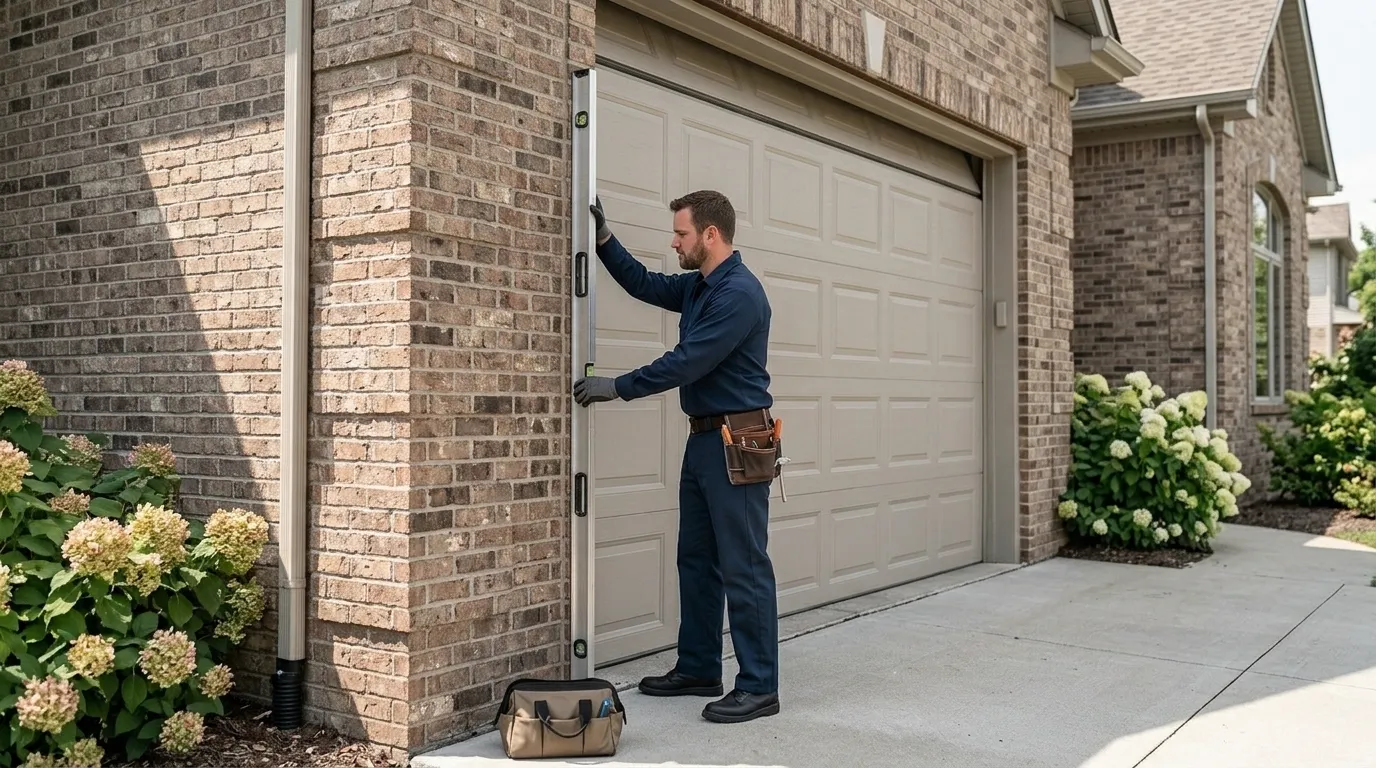
Across the Stillwater area, most houses were built between 1950 and 2002, with the median landing around 1978, and a lot of the stock in the 24 named communities nearby dates to the 1960s and '70s. That matters here because openers from that build era, and even a lot of replacements installed since, were never wired with a battery backup circuit as standard. When the power drops - and in a cold-severe climate band, winter storms take the grid down more than most people expect - the opener just stops. No warning light, no soft chime, nothing. The door sits wherever it was when the outage hit, and if that's halfway up or halfway down, it stays there until someone deals with it by hand.
This isn't a defect. It's just what happens when a motor built to run on household current loses that current. The door itself, the springs, the cables - none of that changes. What changes is your access to the garage, and in a lot of these older homes that garage is the only door people actually use to get in and out.
The common mistake is treating a stuck door during a power cut as a broken opener. It usually isn't. In houses built in that 1960s-70s window especially, the manual release cord is there for exactly this reason, but a lot of owners have never pulled it and don't know where it hangs. Some try to force the door up by hand without releasing the trolley first, which strains the opener arm or bends the track - now you've turned a simple outage into an actual repair.
The other thing people get wrong is assuming a battery backup unit, if they have one, will last through a long outage. It buys you a handful of cycles, not a full evening. In a climate with real winter storms, that's often not enough, and the honest fix is knowing how to use the manual release rather than counting on the battery to carry you through.
Start with the manual release cord - the red handle hanging from the trolley on the track. Pull it straight down, not at an angle, and the door should disengage from the opener so you can lift it by hand. If your house falls in that 1950-2002 build range and you've never touched this cord, find it before you need it in the dark during a storm.
Next, check whether your opener has a battery backup unit at all. A lot of installs in this area, especially anything original to a 1960s or '70s build, predate battery backup as a standard feature. If there's no backup and no accessible manual release - or the release cord has been cut, painted over, or is missing - that's worth fixing before winter, not during it. It's a cheap part relative to the aggravation of a door stuck shut with the car on the wrong side of it.
Cold-severe winters do two things to openers here that milder climates don't deal with as often. First, cold slows the chemistry in any battery backup you do have, so a unit rated for a certain number of cycles at room temperature gives you fewer when it's well below freezing in an unheated garage - which describes most garages attached to homes from this housing era. Second, longer and harder storms mean longer outages, and longer outages are exactly when a battery backup runs out before the power comes back.
We don't sell or promise a specific outage-duration fix - that's not something we can guarantee, since we don't control the grid. What we can tell you is that in a household income range like this area's median of $108,560, most owners can afford to add backup power or fix a broken release mechanism, and either one is a smaller cost than a warped door or a strained opener arm from trying to force things by hand.
No, unless it has a battery backup unit installed. Standard openers, including most original to homes built in the 1960s and '70s common around Stillwater, run on household current only and simply stop when the power drops.
Pull the manual release cord - usually red - straight down where it hangs from the trolley on the track. That disconnects the door from the opener so you can lift it manually. Don't force the door up before releasing it; that can bend the track or strain the arm.
Yes. Cold slows battery chemistry, so a backup rated for a certain number of open-close cycles at room temperature will give you fewer in an unheated garage during a cold-severe winter, which is the climate band this area sits in.
If your house dates to the common 1950-2002 build range here and the opener has never had backup power, yes - it's a relatively small cost against being locked out of the garage during a storm-driven outage, which is a real risk in this climate.
Call now or request a free quote - same-day service on most repairs, upfront written pricing.