Stillwater, MN · Garage Door Service
Stillwater homes run 1950-2002, mostly 1960s-70s stock, in a severe cold climate band. Here's what a real service call checks on that kind of door and hardware.
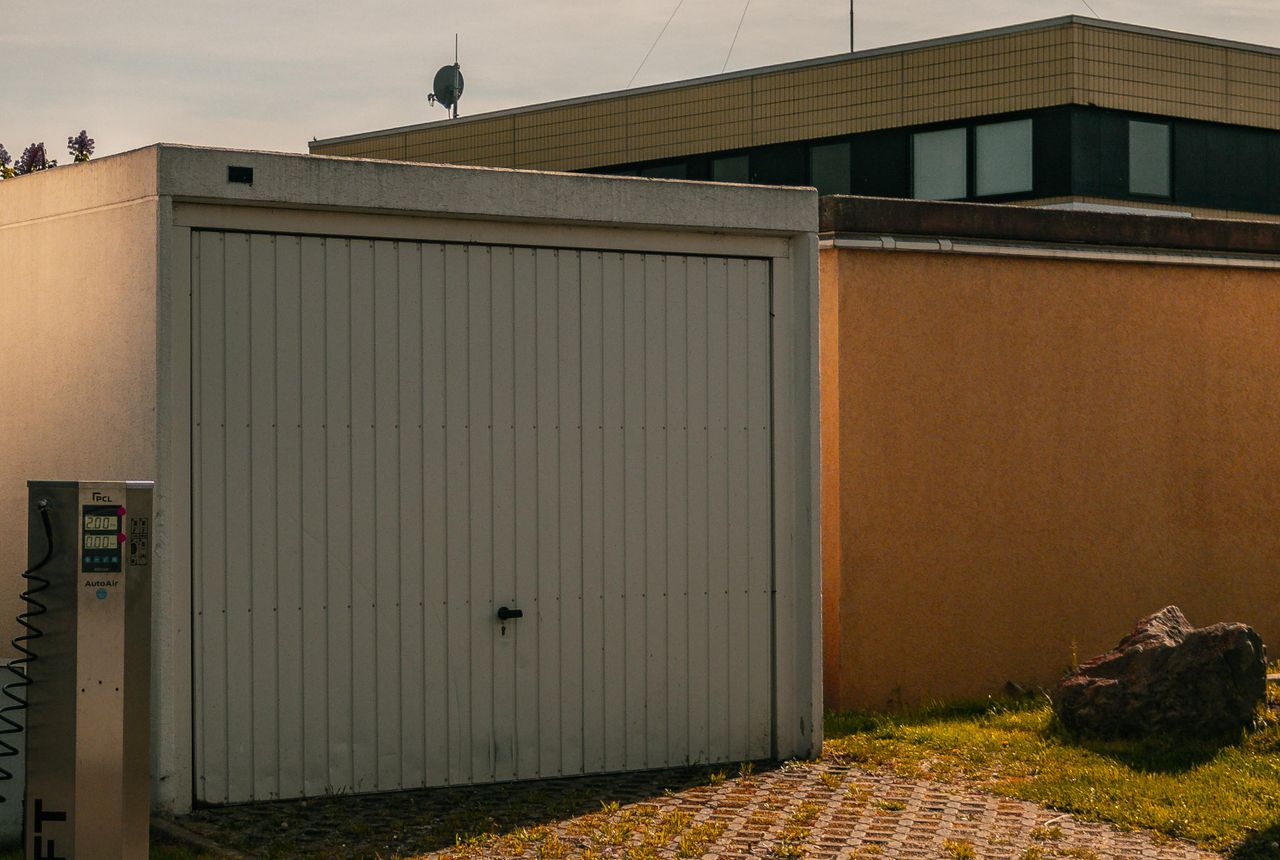
When we get a call in Stillwater, we're almost never walking into a brand-new door. Housing in this service area was built mostly between 1950 and 2002, with a median build year of 1978, and the bulk of it sits in that 1960s-70s wave across the 24 named areas we cover. That means torsion springs and openers that have usually been swapped once already, tracks that were plumbed for a slab that's settled since, and hardware gauges that don't match what's sold off the shelf today. A service call starts with figuring out which era of door and opener we're actually looking at, because a fix on a 1978 door isn't the same fix as one on a 1998 door, even if the symptom looks identical. We check the spring size, the drum type, the track gap, and whether the opener's safety sensors were ever updated. None of that is guesswork - it's reading what the house's age tells us before we touch a wrench to anything.
The most common mistake we see in this area is treating a noisy door as an opener problem when it's a hardware problem left over from original 1960s-70s installs. People replace the opener, the noise comes back in six months, because the rollers or the bent track underneath never got looked at. With a median build year of 1978, a lot of these doors have had exactly one major repair in their life, usually reactive, usually just the part that failed - not a look at what else on that same door is the same age and headed the same way. We also see folks assume a stuck door in January is a spring issue when in a severe cold climate band it's just as often the opener's cold-weather lubricant thickening or a track that's contracted enough to bind. Guessing which one it is before checking wastes a trip and sometimes money on the wrong part.
On a service call here, we start with the springs, because doors from the 1960s-70s stock were sized for lighter panel materials than what's often been swapped in since. A spring rated for the original door can be wrong for a heavier insulated replacement panel, and that mismatch shows up as slow open, hard-close, or an opener straining on every cycle. Next we check the track alignment and the rollers, since houses from this era typically have a slab that's shifted a little over 40-plus years, and that shift throws the track out of plumb before anything visibly breaks. We also check the opener's date and gearing against the door's actual weight - not every opener installed in this area over the decades was matched to the door it's still running today. None of this is exotic. It's just checking the parts most likely to be out of spec given how old the underlying installation is.
This area sits in a severe cold climate band, and that changes what a service call has to account for beyond the door itself. Steel tracks and torsion springs both lose a step of tolerance in deep cold - metal contracts, grease stiffens, and a door that ran fine in October can bind or lag by January. On older stock from the 1950-2002 build range, insulation and weatherstripping were often not designed for the temperature swings we actually get, so we check the bottom seal and the panel gaps as part of every call, not as an upsell. With median household income at $108,560 across the service area and a housing stock that skews owner-occupied (32,692 of 61,080 households), most of the calls we run are homeowners maintaining a door they plan to keep, not landlords doing the cheapest fix - so we look at the whole system, not just the symptom that made the phone ring.
In this climate band, cold makes steel tracks contract slightly and stiffens the grease in torsion springs and rollers, which is a normal seasonal tightening, not a sign the door is failing. If it's binding hard, though, it's worth a look, since a door that was already slightly out of alignment will show it first in the cold.
Depends on the model and how it matches your door's weight, which we check against the door itself, not just the opener's age. Given how much of the housing stock here dates to the 1960s-70s, we see openers that were swapped once already but never rematched to a heavier replacement panel - that mismatch is usually the real issue.
Yes - our service area includes nearby communities such as Oak Park Heights, Bayport, Grant, Lake Elmo, Mahtomedi, and other towns within roughly a 20-mile radius, listed on our site.
If the door dates from the earlier end of the 1950-2002 build range and the track, springs, and panel are all showing wear together, replacement is often the better spend. If it's one worn part on an otherwise sound door, repair makes more sense. We tell you which situation you're in before we quote anything.
Call now or request a free quote - same-day service on most repairs, upfront written pricing.